
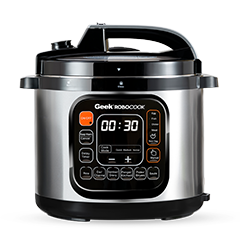


Your Electric Pressure Cooker Remembers Everything: A Cleaning Guide to Make It Last Longer in Indian Kitchens
How to clean the inner pot, lid, gasket and valves of your electric pressure cooker so it lasts for years
1. Introduction: Why Cleaning Your Electric Pressure Cooker Matters
Try this tomorrow. Open the lid of your electric pressure cooker and take a sniff. If you get a smell of last week's rajma or hing-tadka dal, your electric pressure cooker is trying to tell you something.
An electric pressure cooker works harder than almost anything else in our kitchens. Turmeric, oil, rice starch, hard water and steam all go through it, sometimes twice a day. And a lot of that ends up in the spots we never really look at, such as the gasket, the valve and the steam vent.
Regular cleaning is what keeps an electric pressure cooker going for years. A clean electric pressure cooker smells better, seals properly and lets steam out the way it should, and its parts wear out much more slowly. Here's what we'll cover:
• An easy cleaning routine for each part of an electric pressure cooker.
• The small mistakes that wear out an electric pressure cooker faster than you'd expect.
2. How to Clean an Electric Pressure Cooker
You don't need one long weekly cleaning session for your electric pressure cooker. It's easier if you break it into three small habits.
1. After every meal: Unplug the electric pressure cooker and let it cool for a few minutes. Take out the inner pot, lid, gasket and valve, and rinse off the food before it dries.
2. Once a week: Soak the gasket, brush out the vent and wipe away the food particles inside the lid.
3. Once a month: Check whether the gasket has stretched, make sure the float valve moves freely, and clean the area under the inner pot.
One rule never changes: keep the base unit of your electric pressure cooker dry. It holds the heating element and the controls, so just wipe it with a slightly damp cloth. Don't put it under the tap or in the sink, because water inside the base shortens the life of the electric pressure cooker.
|
Electric pressure cooker part |
After every use |
Weekly |
Monthly |
|
Inner pot |
Wash and dry |
If stained, soak in baking soda |
Check the coating for scratches |
|
Lid |
Wipe and rinse |
Brush the underside edges |
Check hinges, lock and fit |
|
Sealing gasket |
Rinse and dry |
Soak in vinegar or baking soda |
Check the shape; replace if stretched |
|
Valve and vent |
Quick look |
Clean with a brush |
Test that the float valve moves |
|
Base unit |
Wipe with a damp cloth |
Clean the rim and inside the cavity |
Check the cord and plug |
3. Cleaning the Inner Pot, Lid and Sealing Gasket of Your Electric Pressure Cooker

The inner pot
All you need is warm water, a mild dishwashing liquid and a soft sponge. If rice or dal has stuck to the bottom of the electric pressure cooker's inner pot, don't scrub, because scrubbing wears down the surface. Fill the pot with warm soapy water and leave it for 15 to 20 minutes. Most of it will come off on its own.
Turmeric and curry stains usually lift with a little baking soda. If the pot has a cloudy white film from hard water, wipe it with a cloth dipped in diluted white vinegar. Always dry the outside of the pot before you put it back in the electric pressure cooker's base, so moisture doesn't damage the heating plate.
The lid
Steam throws food up onto the underside of the lid, especially around the rim. Wash it with warm soapy water, then use a soft brush or an old toothbrush to clean the edges and corners. If the lid of your electric pressure cooker has electronic parts, wipe it with a damp cloth instead of immersing it, and check your manual to be sure.
The sealing gasket
This silicone ring makes the electric pressure cooker airtight, and it soaks up smells like a sponge.
• Pull it out and wash it with soapy water after each use.
• For stubborn smells, soak it for 15 to 20 minutes in water with some white vinegar, or scrub it lightly with baking soda.
• Dry it completely, then press it back in so it sits flat all the way around.
• Don't expect it to last forever. If it is stretched, cracked, flat or loose, replace it. As a rule, replace the gasket of your electric pressure cooker about once a year.
• It helps to keep a spare, or to use one gasket for savoury dishes and another for sweet dishes.
4. How to Clean the Pressure Valve and Steam Vent of Your Electric Pressure Cooker
These parts are small, but they are what let steam move in and out of the electric pressure cooker properly. If they get clogged, your electric pressure cooker can't cook properly and its parts wear out sooner.
Pressure valve
If your electric pressure cooker lets you remove the valve, rinse it under running water and brush away any grains, skins or foam. Dry it and fit it back.
Steam vent and float valve
Hold the lid up to the light. Can you see through the vent? If something is stuck there, clear it gently with a soft brush or a wooden toothpick. Don't use metal pins or needles, as they can scratch and damage the vent. Then press the float valve lightly. It should move up and down without sticking.
Anti-block shield
Some electric pressure cooker models have a small cover under the vent. Take it off, wash it and put it back after every use. It catches food bits that would otherwise clog the vent.
A quick 10-second check before you cook: vent clear, valve moving, gasket seated. If all three are fine, your electric pressure cooker is ready to go.
5. Common Electric Pressure Cooker Cleaning Mistakes to Avoid

Most of these mistakes are easy to make, and easy to fix once you know about them. Each one shortens the life of your electric pressure cooker.
1. Putting the base in water. This damages the heating element and the electronics inside the electric pressure cooker.
2. Using steel wool. It scratches the inner pot and ruins non-stick coatings.
3. Using bleach or harsh chemicals. They damage the silicone gasket and leave residue behind.
4. Skipping the gasket. That's where smells build up, and a dirty gasket stops sealing properly and wears out sooner.
5. Forgetting the vent and valve. Food residue builds up there and blocks the steam.
6. Putting parts back wet. Trapped moisture causes odours and, near the base, can corrode the electrical parts of the electric pressure cooker.
7. Forcing the lid shut. If it doesn't close smoothly, the gasket is probably out of place, and forcing it damages both the lid and the gasket.
8. Using an old gasket or valve for years. They're meant to be replaced.
6. Final Thoughts on Caring for Your Electric Pressure Cooker
An electric pressure cooker gives you a lot back if you look after it. A few minutes of cleaning, a quick look at the gasket and a clear steam vent keep your electric pressure cooker working well, smelling fresh and lasting for years.
When you buy a new electric pressure cooker, pick a brand that makes spare gaskets and valves easy to find. Replacing these small parts on time is what keeps the whole appliance going for longer.
A quick recap:
• Clean your electric pressure cooker after every meal and dry every part.
• Give the gasket extra attention, and replace it when it's tired.
• Always keep the valve and vent clear.
• Never put the base in water or force the lid.
• Keep spare gaskets and valves handy so you can replace them on time.
Happy cooking, and here's to many years with your electric pressure cooker!